GAS hehehehe

Gear Acquisition Syndrome tawag nila… but I am just setting up my home studio for better and easier workflow. Here are my latest aqcuisitions:


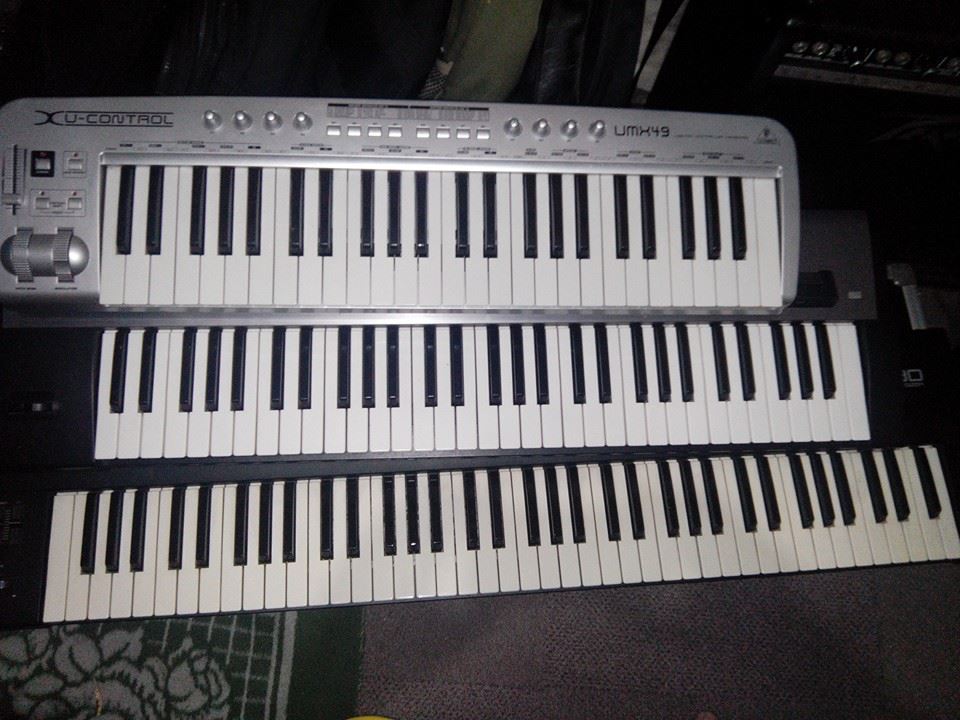
Bought this 2nd hand but its good as new. Complete with box and all its peripherals. It is a Behringer UMX41 midi controller. At least now I can program midi tracks with ease. Plus I have more controls on other parameters using its knobs and stuffs like that. Also got benders which I dont have on the other Yamaha PSR I was using. This device is very helpful specially in programming drums. It can actually read the velocity of your playing. Makes drum tracking easier coz you wont be editing velocity of each snare. Making the drumming more realistic.

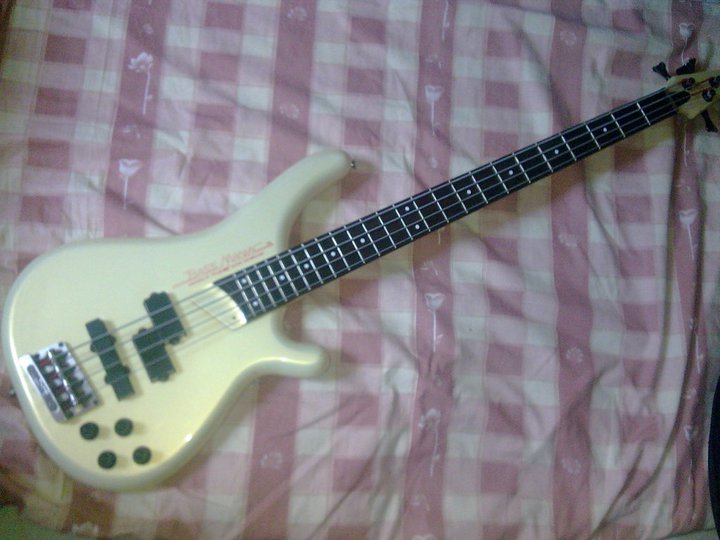
This comes with A Behringer UCA 200 which is a simple usb audio interface with stereo in and out. All you need is a good mixer and you can start tracking any instrument or mic without worrying about latency issues. Just plug in the input from you stereo out of you mixer then plug in the output to a dedicated channel that does not go to the main mix (for monitoring lang of playback from PC). You can simultaneously record 2 tracks from here or one stereo track. Comes very handy sometimes. I could actually simultaneously use this with my 1820m without any issues. Problem lang it can only handle 16bit.I swapped mt BTB 5string with this 4string bass from Japan. Its a TUNE Bassmaniac. What attracted me to this bass is that it has EMG pick ups and very neat electronics. Parang radyo ung cavity unlike most bass that looks crammed up electronics. This one has that original bridge from the older versions of the bassmaniac. Mas matibay and much string stability than the newer version of bassmaniac. Plus it has a metal nut. Which probably contributes to the brightness of the tone.


I got this from joshua (lowbee of philmusic). Ebaj Asurin has always reminded me to get a tune bass. According to him, the neck is narrow and the string spacing is similar to ibanez sdgrs which I am acustomed to. Lahat daw ng Tune basses are made in japan. And they all have exotic wood. Indeed the EMG kicks off its loud sound. But I find the tone a bit high. Maybe because I am acustomed to using the varimids of sdgrs. What I did was to use my old DOD Bass Compressor to kick in the boom in the punch and the sustain. I maybe get a Hartke VXL or a behringer BDI to have more control on tone with this bass. I am still using my 5string SDGR on gigs. This will be off to a good repainting soon as it looks all worn out already. In the mean time I will be using this Bassmaniac. Im using it on pictorials of our new band. My wife puts justice on the rock appeal of the bass on this pic.

I also got a new softcase for my acoustic bass. And got a new phospurous coated strings for it courtesy of alfie. We are doing several recording projects and most of the song needs acoustic bass to get the tone similar to the cure songs.

I have lately been experimenting on how to maximize the power of the PC for multimedia productions. I am currently trying on Ubunto Studio and its multitrack recording software called Ardour2. I have read good reviews about the capability of this set up as it is known to have no drops in recording even when simultaneously running several tracks. I am looking for one that will parallel the stability of a mac on protools while thinking of a budget. If I could perfect this set up, it would be a big help in saving the cost of software when I go commercial. No remarkable breakthrough yet tho.

Only For Geeks (Studio Technicalities)

This blog entry is exclusively for geeks. It contains mostly technical stuffs that I am sure non-geeks will find boring. So, if you are not a geek… shooo shoo shoo!
So now I got my recording studio in full swing. I recently bought a pretty good Samson condenser large diapragm mic along with a pop filter and a shockmount.I dont have an isolation room yet, but my living room was built as a studio before, which means basic features are still in place. Shut the doors and its dead silent. Although the acoustic is bad since I already ripped off the cushions from the walls and cieling. That is the reason why I bought a cardoid type mic instead of the more expensive multipattern ones. A cardoid will only pick up sound which is in front of it. It will disregard the sound from the side or at the back. Omni directional and figure 8 mics do these respectively. The only negative thing with a cardoid mic is that I cannot pick up the natural reverb of the room. Thanks to technology, I can use any good software for this – a mic modeller and reverb. Recording purists dont frown! Im on a budget here and just making the most of what’s available (and affordable). I cannot sacrifice my living room (as I did before), since I have a family that uses it for TV, entertaining guests, taking afternoon naps, bonding with the kid, doing kinder homeworks, eating street food bought from .. were else, the street, inuman sessions and all the other things a living room should be. Unlike before as I was living alone, I can always convert what is of my house into whatever I want. (I even made an LRT in my own backyard). I am considering building an isolation room and a monitoring room .. aka a full fledge studio ambiance, probably early next year as budget permits.

So how do things work on the current nolit’s studio? Following the idea of making the most out of what’s available and affordable, I had no choice but to go digital. The main equiptment would be a PC. I have two PCs in my studio. The primary one is an AMD Quadcore with 1gb memory (I am planning to upgrade to 2gb soon). This one has an EMU Digital interface installed in it – 1010 PCI card, synch daughter board and an 1820m audiodock with 8 ins and 8 outs plus 4 monitor outs. The other PC is an AMD sempron with 512mb memory which I am using as a multimedia home setup as it is linked to the TV with lotsa games (for the kid who is currently hooked on Dogz). This one has a toneport digital interface installed in it. Looks cool recording guitar in front of the TV. Both PCs (along with my other PC in my bedroom) are networked and online. They are equipted with Sonar, Cubase, Reason, Acid and tons of other audio softwares.

Recording drums is tricky. When I dont want to worry about getting a good element from a live acoustic drum take, I would often use a drum machine. But my Dr Rhythm Drum machine is long gone, so I am using Redrum from Reason to create drum sequences. I can also sequence directly on sonar with my daughter’s yamaha psr keyboard as midi controller and the choice of sounds are enourmous with EmulatorX and Proteus which I got along with my EMU 1820m. But I am pleased with what Redrum can deliver. A good set of soundbanks and I am off to creating cool drum patterns. Usually its the standard drum kit.

When I feel strong and energetic, I would set up the drum set which I borrowed for my kid from our drummer since he has 3 sets sitting at home taking up dust. I still have the mics I used from my old studio – a small condenser mid for the snare & hihat, a stereo condenser mic I use for overhead and a cheap mic for the bass drum. All four mics are driven to my old fostex multitracker which I only use the mixer part. Preamped to line level, the signal from the mics are routed to stereo mains and two aux sends – equals four unique signals. Then they are feed to the Audiodock and tracked to sonar on 4 tracks. Ideally a drumset takes 8 tracks (snare, bass, tom1, tom2, floortom, hihat, crash and ride). But I dont have that number of mikes yet – plus an 8-bus mixer or a mic preamp that can feed 8 line levels to the audiodock. In the near future, this will be the next upgrade. Again, I dont have the priviledge of a well acoustic room, so I have to use reverbs and room modeller softwares.

I am not too satisfied with the drum sound from an acoustic kit with this set up. Although I have learned to master the best sound I could get through experience after numerous recordings from the old studio using analog 4track cassettes. I am looking into building triggers – attaching piezo on the kit and purchasing a good midi converter for the triggers. Driving them to audiodock midi in and assigning them to a good drum soundbank. This would definitely be cleaner. I can either tac the piezo to the acoustic drum or custom built an electronic drum kit out of practice pads so that the neighboors wont complain from the heavy drumming on an acoustic set. All these are projects to make me busy in the next few months.

Keyboard tracking is simply straightforward. I am using my daughter’s yamaha psr as a midi controller driven to the midi in of the audiodock and using tons of sound banks from EmulatorX or any other software synth. Reason has tons of sounds you can choose from plus you can edit the sound in any way you want making it more unique. You can even create your own sound into something very unique making your audience puzzled as to what instrument is playing…. the synth thing of the 80s!

Bass guitar is plugged directly to the audiodock front input.Since my bass has quality EMG pickups, I dont need anything else to boost the signal. But with other bass guitars, I have an active direct box waiting to do its thing. Same thing goes with recording guitars which is pretty easy. I normally record 3 tracks from a guitar – a dry direct to pc signal, and a stereo signal from the guitarist effects. This splitting happens through a Behringer DI120 direct box/splitter.

Recording acoustic guitar and any other acoustic instruments would be similar to the way I record vocals – using a large diaphragm condenser mic. I learned a great deal of knowledge in recording acoustic guitar from my experience with leo of leowai. He was my guinea pig as I was experimenting on positioning mics and equalizations from his folk song demos. Still I prefer acoustic guitars with built in pickups. They are much easier to manage in recording. I still have my fostex dynamic mic which I can use to record blowings.

Monitoring is still an area I need to develop in terms of equiptment. I havent got a headphone amplifier yet and I think this is a necessity especially since I dont have an isolation room. Tracking vocals would require a silent room as the vocalist and myself monitors thru headphone.

Although I am used to making the most out of a headphone monitoring, I still would want to get a good reference speaker. My ears are punished from long hours on the headphones. Unlike before on my old analog multitracker where I master a mix to match a normal cassette player, with projects of production quality, I would definitely broaden my mastering to match all types of audio players – car stereos, ipods, hifis, radio, etc. With this I would need a variety of monitoring. I am thinking of actually setting up these equiptments inside the studio to get the real reference.

The main point is to create and deliver quality music. Mine is a project studio so I would only upgrade to the equiptment I would need. Unless I want to run a commercial recording studio again which requires me to acquire all the high end technology could offer, I would maintain on getting the most out of what is available (and affordable). And I feel this is how nolit’s studio should be.

You know the drill: We talk about your music. Discuss how we can make things happen. Create what we can do. Then with a finished product, pass it on to better hands and see where it would take us further.

I hope I didnt bore you with this blog. In my experience, whenever someone approach me for a project, we would be discussing all those I have mentioned above. So this article helps me save all the trouble.

That’s all for now! Enjoy!

Studio Stories

Yesterday I was talking to my mom reminiscing about the past. I recall every experience from setting up nolit’s studio to my current project studio (still called nolit’s studio). In the 90s, everyone were venturing into setting up a rehersal studio and making money while having fun. I was setting my sights on a recording studio. I successfully did run my own studio sacrificing my own living room. Later I got into partnership to make the business grow and built the Purple Music Studio. But all these have ceased toward the late 90s. I have concentrated in my band gigging nightly thus giving me no more time for the recording business.

Now looking back from my long absense in the scene, I realized that somehow I did influenced a few one way or the other in setting up their own studios. I know hazel, a drummer of Sky Chubibo after recording a demo in my studio got inspired with my premier drums that she called me up the following day asking where I bought the drums. I learned later on she actually did acquired a Premier Fusion kit (mine was an ATK kit). She now runs a successful digital recording studio in fairview called the soundkitchen where she has a long list of clienteles.

Raymund Kutch, a folk singer at mayrics and recording artist for alpha with his band blusero, used to brin in clients to my studio for a demo. He now runs Jamtraxx in recto with 3 rehersal studios and one digital recording.

My old buddy Rey Cantong who was our drummer in the first batch of Gladys and the Boxers with K, now fronts the popular group Six Part Invention or SPI. He also has his own project studio at home running high end equiptment supplying audio for shows on ABS CBN, mostly on ASAP.

Recently I also learned recently that a client of nolit’s studio had also set up his own recording studio called bedside recording. His name is choy gargantiel who used to play for a high school band noxious.

It is amazing that all these studios became successful. Still I wont forget the note my friend alfie left in my blog, all these technology boils to nothing if no creativity come out from the people who are recording. All these are just tools used in order to bring out the talents which God has given to us. Probably part of my purpose in life was to inspire others to build these tools. Now on to the next part, by creating more successful projects, I may encourage more to bring out their talents to better use. Make Good music and never stop!

The DI and my first gig

I am currently recording guitar tracks on a project. Mapping out the track assignment, I realized I needed a signal splitter or a direct injection box to be specific.I wanted to lay-in a dry guitar track and another which is processed thru a multieffects floor unit. Luckily I was able to buy a Behringer Ultra-DI DI20 from ebay at a cheaper price. I got more than what I bargained for since this thing can function in two modes – as a two channel DI box and as a splitter (link mode). And it is active, which means the signal become more managable by my digital interface pre amp.

Now I remember my first encounter with a DI box. When I was very young and in school, I belong to an inter-collegiate organization of visual artists called LUNA, mostly students of fine arts in different universities around Metro Manila. As a cultural group and affiliate of a larger student movement, our group would often work on visual effects for several student activities such as concerts and conferences. We were the people behind the stage of Joey Ayala’s Awit ng Tanod Lupa Concert tour sponsored by the CCP. Joey Ayala would even jokingly call us Joey Ayala at ang bagong Luna. With several lull moments in painting visual arts, the group would often embark into jamming using whatever instrument is available.

Early Jammings

Jet had an electric guitar and a bass guitar at home in pritil, tondo, so we plug both into an old cabinet type phonograph player. We made a makeshift drums out of kiddie toys and water jugs. Later on we were able to reherse on a rehersal studio as we realized we can actually perform as a band. Being with a group of creative people, it is very clear that original musical compositions are plenty. Playing them while working visual effects made the songs heared by officers of cause oriented organizations -and so the lyrics and music are criticized and refined. Luna was then active with another student cultural group called sining. And the collective started planning out performances to display its collection of “well-deliberated” original musical compositions. The first gig was supposed to be in UP Manila as an intermission to a conference of the college editor’s guild of which I am also an officer. But technical problems and lack of time didnt make the gig happen.

The First Gig

The real first gig was a lagare. There was a campus fair at UST and we were the first group to perform that afternoon in the open air grounds outside the CAFA building. We had an hour and a half to perform and we only rehearsed a few songs. So we ended up jamming songs that we knew from songhits. . mostly new wave stuff. The audience responded with a lot of dancing mainly because we knew almost all of them. (hehehehe) The gig ended up at around 5pm as more bands had to perform and we have to run to San Sebastian for another gig.

The second gig that night was a big concert billed by then big bands – HAYP, Introvoyz and UMD. We were to do the front act. Since we came from a gig on UST on foot and it was getting late, we had to run inside San Sebastian. The audience were now lined up outside the auditorium and as they saw us running up into the building they started screaming. It looks like they mistook us for another well known band as we were running with our instruments going into the backstage. My first taste of fame however feign it seems (lol).

We got on backstage and the bands have already finished their soundcheck. I remember noel mendez was there to tell us that we can now change our clothes in the backstage as there was no time for soundcheck anymore. I saw his guitar lying at the back of the drums and it was my first close up look at a real ibanez guitar. We had not brought any clothes so how we look like is what you get – from running all the way from UST. But, hey we are an aktibista band so the haggared look seems appropriate. You can call it the proletarian look.

The DI Experience
And so the show has to start and auditorium suddenly was full of 3,000+ students. We positioned ourselves on stage and started setting up our gear. Back then I was unfamiliar with any big concert set up. All I knew was to plug my bass to the amp and start cranking. Since there was something plugged on the amp, I took it off and wooooong sounded all over the house which I ignored as I proceeded in plugging in my bass to the amp and started tuning. I recall a lot of technicians were all over the stage as our guitarists was having his own technical problems too. But I could hear myself on my own amp and so I was comfortable now and wanted to play on. Our singer, Buboy, had to do several spiels since the technical problem took almost 5 minutes or more. He told me later that it was difficult for him to make those spiels as he came from that school and just recently drop out – and then he has to face his teachers, administrators and classmates who were in the audience. Finally the guitar worked and the gig started rolling. In the middle of the first song, a technician realized my mistake as my guitar doesnt go through the house mix, and started fixing the connections. This is how I learned about a DI box. The gig was a success and the 3,000 + audience was very cool to respond to our compositions. Even the members of hayp and introvoyz gave us positive comments.

So What is A DI?

A direct box is used to convert an unbalanced signal to a balanced signal which can be handled easily by any mixing console and could match up with all the other signals thus making the mix easier. A balanced signal consist of three lines on three wire cables (positive, negative and ground), against the unbalanced that consists only of signal and ground. Usually balanced lines run on xlr plugs (used on conventional microphones) or standard stereo phono plugs (1/4) called TRS or tip-ring-sleeve (tip=hot or positive, ring- cold or negative and sleeve=ground). Guitars are high impedance signals with unbalanced outs. So they need to be converted to balanced signals for the mixer to handle. Thus a DI works as a converter between the guitar and the mixer. The DI also commonly works as a splitter as another output (unbalanced or link) feeds the signal to an amplifier so the guitarist can monitor his playing. But in some cases, the DI is not used on guitarists as a mic in front of the guitar amp speaker can deliver a warmer tone for the mix. A bassist needs a di as the low signal can only be enhanced on an active balanced line.

I dont want to go technical any further. You can always research on the use of DI by searching thru google. This ends my story on my first encounter with the DI …. which was actually my first gig.

Musicians of today are so lucky!

With the tide of technological advancement, it is clear that musicians of today are far luckier than those of yesterday.

In the old days, most musicians would create a demo of their compositions by playing on a piano or guitar and recording on a simple desk cassette recorder. I remember my uncle used to have one were they record over a small mic and huddle close and sing.

If you were a band, it would be a lot more difficult. You need to have a band set up by renting a studio. Hooking up everything on a mixer and relaying on the ears of a sound engineer to get a good mix and record a song live direct to a cassette. Others would wait for a big gig and politely ask the technician to record your set.

If you are a solo composer and you know how to work with midi, then you can get an MC-50 and create a sequenced minus one for your song. Or you may get one of those expensive cassette based track recorder to record each instrument one by one. But you are limited to 4-track (as most cassette based are) and your only option to go beyond its limitations is to do ping pong recording. This means recording 3 instruments of seperate tracks, mixing them into one track to get three more available tracks.

And then you have to convince a producer or anyone who has the cash to spend for a production quality recording in a studio. Then you will record your song to reel. Production cost is ultimately high which means, producers will only spend if they know that they will profit from it.

But things changed. You dont have to spend so much not just to make a demo but to actually make a production quality album. This is the reason why most bands of today produces their own albums in what they call EP. Or other profit minded people goes into the indie market.

In the recent years, setting up a recording studio was not too expensive anymore. Anyone who have a good international credit card can order some digital recording equiptment such as ADATs or any other quality multitracker. Gone are those big reels which are so expensive (not just the recorder but even the reel itself are so expensive . . not to mention heavy). Other people who have relatives abroad can ask them to bring home the goodies. Digital multitrackers which are stand alone came out and those who can afford are now getting them.

At this point, there became evident who where the bands who have cash and those “other bands” who would frown on the “rich kids” bands out of envy since they dont have access to produce their own album. Now these “other bands” will have to rely on the good old “discovery by an A&R” method to get an album.

Today things are changing and changing fast. Everything can now be done with a PC. Even professional recording studios have PCs and people at home can equal the specs of those PCs. Most professional studios run on mac, primarily because of their power and reliabilty. But PCs are trying to catch up. Now you can record a production quality album from your own bedroom. The recording equiptment are now available in the local stores. JB music has a wide array of m-audio equiptment at sale price being the local distributor. Yupangco distributes a lot of line6 recording products and roland. Audiophile distributes Tascams and Alesis. No need to look over the internet and order as the prices comes out cheaper since you dont pay for shipping expenses. Softwares are readily available. . . although I hate to promote this but they are being sold at the sidewalks for less than a dollar (figure of speech here). You can even get Sonar, Cubase, Reason, Protools LE, Abelton, Audition, Cooledit, Wavelab, and all those other cool stuff in one DVD for about P250.

Now bands can call the shots and create an album to whatever they desire to integrate in it since they can now do it in their own home. They can even record each instrument on each house of each band member. There was even a band I saw on Ellen show where the member have not meet each other before, only through the internet via youtube and was able to come up with an album simply by sending thru email elements of the songs.

So what do you need to make a good recording? First you need a good PC. It would be better if you have a dualcore. A quad core is excellent. Get lots of memory. Memories comes cheap nowadays. I got a 1GB DDR for only P800 (that is a kingston lifetime warranty). So 2GB is P1600. Memory is important especially when you mixdown a song especially with all those effects you put in on each element.

One primary equiptment you will need is a good soundcard. A soundcard for recording is like a videocard for gaming. It is an acceleration hardware. This means sound is processed on a soundcard thus minimizing the workload on the main processor. A good soundcard should accept at least 24bit and 48khz audio resolution. If you have the budget get the highest you can afford. Another thing to consider is the inputs and outputs. If you are recording live drums then you would definitely need one with at least 8 inputs in order to record the drums on to separate tracks. Also think of the versitality pre-amp you could get out of it. Something that accepts line level, unbalanced and balanced inputs plus phantom power. This way you can plug in your guitar directly thus eliminating noise from any external devices you need to pass thru. You can actually record your guitar without effects and use the virtual effects softwares. Just make sure you are monitoring the sound you want so as you can play accordingly. Next issue to consider is the latency. Most people who first time record on a pc would complain that there is a delay in the way the audio is input. Thus the guitar misses the beat of the drums. A good soundcard should eliminate this problem.

My advise now is to invest on a good audio monitor. Get a good near field monitors – or make one if you know how. Get a good headphone. I am using a Philips SHP1900 headphone I bought from Astrovision for only P650. Use reliable cables to avoid noise. And dont hesitate to experiment to get the sound you want.

This will go longer if I dont stop now. I am sure a lot of you will comment or ask questions about a lot of recording stuff. Please feel free and I will try to answer in the best way I could.

Enjoy!

The New Nolit’s Studio

Ok, So I decided to set up my nolit’s studio again. But this time it wont be a full band studio, instead it will be a project studio. But it is digital and the resolution is in par with professionals at 24bit/96khz. I can go up to 192khz with my 1TB disk space and 2gb memory. But I would settle with the industry standard.

So what is a project studio and how does it differ from my old studio? Nolit’s Studio used to accept bands who wanted to have a recording of their songs for demo or indie release. I had a band set up and can do live recording. But I choose to record them track by track so as to get a cleaner result and much easier to mixdown.

A project studio does not have that band set up and do not accept clients or walk-ins. All I will be working are projects I will be creating or will be working with partners. I currently dont have a booth so drum tracks using acoustic drums and vocals will be done in another studio.

So here is what I currently have. On a decent quad core PC, I got a lot of audio software for tracking audio, mixing and mastering. I am using an EMU 1820m digital audio system (PCI, daughterboard and audiodock) which I bought from Rey of Six Part Invention. He told me they recorded their first album in this equiptment. Also recorded “Steep” in Toni Gonzaga’s new album using this equitment. I am also using my old fostex multitracker as a simple mixer. I love using this since it has full sized faders, 12 channels off 4 bus.For now I am using a Yamaha PSR keyboard as a midi controller. Later on I may be upgrading to a good digital mixer/DAW controller and a decent keyboard controller.

Here is what I can do right now. I could import elements from a drums recorded in another studio. Lay in bass, guitar and keyboards. Then pass it to another studio for vocal tracks. Then I can mixdown all the elements. And later master for production quality. I could also program drums using a redrum or any other sequencer since I have reason ver4 and EmulatorX. I also have tons of sampled sounds of percussions and drums.

This digital age has opened a lot of doors for me and revolutionized the capability of Nolit’s Studio. Right now I am still undecided if I would set up a full studio like before. Technology is within reach of anyone with a PC. I would rather work on projects with people who want things done. Share my experience and knowledge . And hopefully broaden my network of friends…. Later create lots of albums may it be commercial or not. I am after the realization of dream and not much on the financial side of it. Success for me is the creation of a concept album with all details perfectly implemented. Its is a long journey and I am far from my destination.

Wish Me Luck!

Studio Recording . . . memories of nolits studio

In the past few month our new band ‘magpie’ got busy in the studio recording materials for our new album. We are doing the album in three separate studios. Most of the tracks are recorded in Pink Noise Studio in Quezon City. The keyboard tracks are done in samsmidi studio and I will do the bass tracks in my own home studio.

On the left is a picture of wayne guiding drummer mon at Pink Noise studio 3. Sitting on that sofa watching the takes brings back memories on how I got involved in studio recording. It is amazing how the digital age dramatically changed the way the studio looks. Gone are all those bulky reel tapes and tons of rackmounts. With a mac on board and a monitor, it is so much easier to map out recording tracks especially on punch ins as you can visually see the waveforms and where the parts of the song is located.

When I was young I had tons and tons of songs in my head that I wanted to record. So I did the demotep 1(click here to view the complete demotep series listing). I couldnt get all the elements I wanted on a simple acoustic guitar and vocals. So I used a keyboard(Yamaha PSR 200) with a simple rhythm composer and the result was the demotep 2. But I couldnt get what I really wanted with each song. Since I didnt have a band yet, I decided to record every instrument on two cassette recorder. First I record the guitar guide on the first cassette recorder. Then I play it on a player while playing another instrument while recording it on another cassette recorder thru the built in mic (I didnt have a mixer yet). Then again I play the result and played the next instrument while recording. And so on. It was really crude but it created what I almost wanted on a song. The result was the demotep 3 and 4.

Then I bought a Fostex cassette based multitracker. This one had full sized faders, two auxiliary sends and returns, 12 channels and 4 tracks of recording using typeB magnetic cassette tape. With the drums from my band I borrowed (a taiwan made yema music set), my old bass amp from raon (RS3000), a Roland D5 keyboard, a Boss SE50 halfrack signal processor unit and an old reliable sony cassette recorder, I converted my living room into a recording studio. During this time the band thing was brewing as LA105 has started opening its doors to play on the air demos of unsigned bands. The Nolit’s Studio is about to hit big!

With a few recording clients, I was able to buy my own Premier ATK drum set with Sabian cymbals (including a splash). I got a 3-tier keyboard stand and some mic stands. I also converted my living room into a full studio. Set up cartoon eggtrays from ceiling to walls, glassed all the windows and padded the doors. My favourite equiptment was the vocal mic – a cheap transducer type powered mic with home made pop filter (wire hanger and an old used stockings). I was even able to buy a stereo transducer mic (with two individual plugs) which I got cheaply since the saleslady was puzzled how to plug in the two plugs. It was at this point when really a lot of recording clients poured in. Thankts to Miyo Arellano of Aroin studio, Raymund Kutch (who now owns Jamtraxxx Studios), Hazel (who now runs SoundKitchen Digital Recording Studio in Fairview) and a lot of nice friends who strongly recommended my recording studio to their clients. I recall Angel In Disguise with ney (of 6cycleminds) did a demo in my studio.

When I got into a band called gladys and the boxers under backroom inc I made a partnership with our guitarist Julius Esteban and Yamaha Instructor Lyndon Aguilar to form the Purple Music Studio in D Tuazon, Quezon City. It was a downgrade for me as I was already running a complete studio alone then now I have to deal with partners but it was a big help since I couldnt handle the surge of recording clients alone anymore. We acquired two Fender Princeton 112 guitar amps, A Fender KXR 100 keyboard amp and a Marshall Bass State bass amp (which I hated until now). A set of crown power amps and monitors, a yamaha 16channel mixer and a new acoustically sound room. I pitched in my drumset, multitracker, keyboards, effects processors and other stuff.

Purple Music studio didnt took off as expected. With a new venue and new owners (and new price), not all clients of mine opted to move in. But I have recorded a few I know including – – Lalaine Edson, Cookie Chua, Dream Kitchen, Painted Skies, Bisqit Factory, and a lot more. I had enough time and equiptment to really explore deeply the techniques in recording. And I was able to train my ear further in mastering the art of recording.

After a year of Purple Music, the partnership went sour and the studio shut down. I felt I was alone in managing the studio without any pay while we are recieving equal amount of profits. I was totally devastated with the loss of my favourite work. Out of disgust I sold my Premier drum set along with all the peripherals, the keyboard and its stand, and all the other equiptment. I only maintained the fostex multitracker.

I bought a Fostex DE-1 20bit dual effects processor. It was a perfect match for my 2 aux send fostex multitracker. I also bought a yamaha DR-550 mk2 drum machine. This was now a personal studio where I recorded some of my own songs for my solo album project “Early Reflections, Late Night Decisions”. I was able to record a few projects for some of my friends a well. Including an unfinished album of a young female singer which included a lot of potential hits.

Then the digital age was coming. Programs which used to be midi only sequencer are now accepting multiple tracks of audio. So I experimented and started working on my PC using cubase. I am not much of a midi programmer and audio was really my cup of tea. I also tried on the program called Sonic Fondry Acid which is a loops based sequencer. I tried learning Reason and am impressed with the interface where you press tab and get the back of a rackmount complete with interactive virtual wires which you can rearrange. With this development my old fostex multitracker was shelved for a long time. Checking on it a few months back, I found that the belts melted down and a few knobs are missing. But basically it can still be repaired. However, a lot of power can be brought up with a PC with more capabilities than the old analog multitracker. So I sold my Dr Rhythm drum machine since I now can use a program with similar or better results. I am using Reason for the drums and percussion.

Now recording with Magpie, I am gathering all my knowledge in recording to do my own thing at home using a line6 toneport UX2, to get a 24bit/96khz recording resolution matching the drum tracks done in Pink Noise on Protools. It is amazing that a production quality recording can be achieved from home recording. Except of course for the voice, drums and guitars which needs acoustics (although guitars can be done with modellers for the non purists and drums can be loops sequenced). Everything is now computer based. And it is very much easier having a visual map.

I may not be setting up my old nolits studio again even though I have the resources to do it. Recording can now be done at home on a simple set of equiptment. I was lucky to have experienced to have the resources when access to it was scarce and was able to share it with a lot of aspiring musicians to realize their dream of recording their song. I was able to witness their firsts in the recording process. And I am happy to have helped them. But as times has changed they dont need me anymore as they can do a demo on their own PC. All I could contribute right now is the wisdom I have earned in the recording industry.

To all those who I have served in the recording of their songs, thanks a lot for giving me the knowledge I have gained from experience. And thanks a lot for making me a part of the history of their songs.

I hope our first album for Magpie will hit big in the commercial market. Although we have vowed to continue on recording songs in a regular habit to make a lot of albums of our songs may it be commercial or not. As long as we express ourselves, and will continue to learn the recording process…….It wil never end.

Search Me 6

Updated Notes: Since multiply has long been gone, all the links on this post has also been dead. If you still need the files please search on spotify, deezer, apple music or amazon Music. If they are not available there and are already out of print do not hesitate message me on fb.

OzWorld in-game songs

With You – Kyla
Hintay – Sugarfree
Baby I’m Yours – Patricia Javier
Dreams With You – True Faith

Karapatang Pantao Compilation

Tagulalay Ng Ulilang Musmos – Susan Fernandez-Magno
Ano Ba Ito? – The Next
Batingaw – Asin
Warning – Chikoy Pura
Me In The Middle – WUDS
Caught In The Crossfire – Hayp
Paaralan – Banyuhay Ni Heber
Ikaw Na May Baril – Joey Ayala At Ang Bagong Lumad
Pinggan – Pol Galang
Irony – Noli Aurillo
Kapayapaan Hatid Ng Katarungan – Sinaglahi
Tatsulok – Buklod
Halina – Jess Santiago
Rodrigo – Dessa Quesada
Kundiman Ng Escalante – Inang Laya
Where Is My Eden? – Identity Crisis
Why Are You Following Me? – Lokal Brown
Bayan Naming Minamahal – Patatag
Attorney Akupado – Bosyo
Maria – Spy

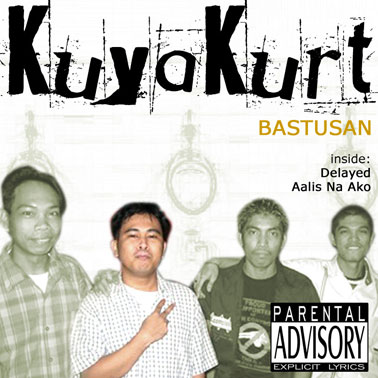
Kuyakurt – Bastusan

Delayed
12 Days of Xmas
Putang Inang Bakasyon
Bastusan
Wala Pa Rin
Bukkake Acid
The Resignation Song
Aalis Na Ako
Deleyed (Syet)
Talunan
Delayed (Full Band Mix)

Princess Princess – The Singles 1987 – 1992

The Private Fanfare
19 Growing Up – Ode to my Brother
In world the hottest summer
Oh Yeah
Kiss
???
As For Love Balance
Go Away Boy
Get Crazy
M
My Will
Jungle Princess
Seven Years After
You Wanted to become a pilot
Diamonds
In The Day When It Clears Up


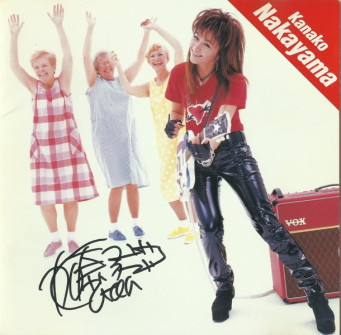
Kanako Nakayama – One Shot

Kanako Surfing JPN
Usabarashi (Distraction)
Shijou Usaidai No Sakusen (Largest Manuevers in History)
Beru (Bell)
Kumo (Cloud)
Broadway
Satin Doll
Are Kara (From That)
Muhouchitai (Illegal Zone)
Mou Ichido Aitai
Osake No Uta (Salmon Song)

Rufa Mae Quinto

Ocean Deep
All This Time
Track 3
Tila
Kamot

Londonbeat – Harmony

You Bring On The Sun
Lover You Send Me Colours
That’s How I Feel About You
Some Lucky Guy
Secret Garden
Give A Gift To Yourself
Harmony
All Born Equal
Rainbow Ride
Keeping The Memories Alive
The Sea Of Tranquility

Another Multiply Download Trick

Recently I have received complaints from friends whom I helped out with multiply that they cannot install unplug mozilla addon. There are other beta users of mozilla 3.0 who cannot install unplug. So here are two tricks using the same principle.

If you are downloading only one or two songs, simply right click on the playlist and save them to your pc. On your file explorer, right click on the playlist you have just downloaded (it is an m3u file) and open it with notepad. In the notepad you will see the links of each song, they are very loooong. Its tricky to pick on a link so try to analyze each link. Now, copy the link and paste it on the address of your browser. This will download the file.

Or you can use the orbitdownloader. A really helpful downloader (download it from www.orbitdownloader.com). The procedure is somewhat the same. Right click on the playlist and choose save by orbit. change the extention of the file from .m3u to .olt and save the file to your pc. Then open your orbit downloader, click on file-import list of downloads.. browse to the olt file you have just downloaded. You will see a list of multimedia files you can download. Check on those you want then choose the destination folder you want the songs to be saved.

This helped me a lot since I am in the province in my mom’s PC. And I dont want to install any plug ins on her mozilla.

But if you have unplug installed, things will be much easier. This is only another alternative.

Enjoy!

MP Night (Mar 30, 1995)

MP NIGHT 70s Bistro
March 30, 1995
(originally published on Rock & Rhythm Vol 5 No. 82)
By Sig

Coming from the album launching of Rizal Underground, I tried to convince BJ, Babe Breath and HLHD vocalist Alfie to heed the invitation of Lvna’s bassist Nolit for this event. Medjo bitin kasi ung kaskasan ng Rizal. Hindi sumama si Babe dahil me aasikasuhin pa siyang new wave party na pakulo nya. Nag-begged-off rin si Bostsip at meron ‘atang happening sa haybols nila. Medjo nabadtrip ‘ata sa punyemas na security ng Arts Venue. Akala mo kasi may nanakawin ka sa beer-joint na ito! So, that leaves Alfie and I… hmmm..o, sige, tuloy sa 70’s! Tahakin ang landas patungo sa Anonas. Tutal, very special tong gig na ‘to. Why? Kasi it marks the return into “supremacy” of the most respected musical organization in the local shore. Anong organization ‘to? Ano pa, e di Musicians For Peace! Dont tell me you have never heard of this group before?

Eniweys, we arrived an hour late at 70s. We missed the multi-media presentation of the cultural group Tumbang Preso. ‘Yun pa naman ang medyo pinaka-highlight ng gabing ito. Medyo pinarelate ko na lang sa ilang members ng grupo kung ano ‘yung na-miss ko from their presentation. Their act started out with the usual game of “tumbang-preso” where one character hits a can with his slippers, making it fall down. Lights-off and a mime was presented. Tapos may kumanta ng “Magtanim ay Di Biro” na sinundan ng isang lalaking pinupukpok ang base ng mic stand at isa pang nag ii-scrape ng kahoy sa stage. Sinundan ulit ‘yon ng isang mime entitled “Beso” at isang monologue na excerpt mula sa tula ni Rene de Guzman entitiled “Testimonya Ng Isang Unos.” Ukol ito sa pighati ng asawa ng isang magsasakang sinalvage na hanggang sa kasalukuyan ay hindi pa natatagpuan ang katawan. Sumunod ang isang “sigaw-salitan” ng anim na katao. Tapos may nag-tumbang preso ulit sa entablado at winakasan ito ng isang awit ni Jess Santiago entitled “Meme na Aking Bunso” mula sa point of view ng isang ina. Nakakalungkot lang ngang isipin at bihira tayo makakita ng ganitong presentation. Minsan nga ni sa tanang buhay natin ay dehins pa tayo nakakamalas ng ganito. Andami pa naman sa atin ang hindi pa mulat o kaya’y nagbubulag-bulagan sa nangyayari sa paligid natin. Awakening sana ito. More of this, please. at sana tayong mahihilig sa musika ay magkaroon rin ng panahon para sa mga ganitong uri ng sining upang mapalawak ang ating kaisipan at magkaroon ng sense ang ating mga tugtugan at uri ng musikang pinakikinggan.

Natapos ang set ng Tumbang Preso. Tugtugan naman. Unang sumampa ang bandang Bersus. Hataw pare. Blues, with matching cool na mga buga sa harmonica. They did three of their original songs. They also delivered Tom Petty’s “I Wont Back Down” and Juan Dela Cruz’ “Pinoy Blues.” May dalawa pa silang tinugtug na dehils ko alam kung sino ang bumira.

Sunod sa tumuntong sa stage e ‘yung Lvna. Ibang uri ng bantan. New-wavish. U2-ish. They started their set with an original called “Pagwasto” na para bang naghahamon sa mga “rejectionist” na nando’n nung gabing yun. They then dished out two environmental songs of their own. Tumira rin sila ng tatlong U2 classics before finishing out with their anthemic “Halina, Karina” to the delight of every kabataang may nationalistic spirit that night. Medyo bahagyang bumilis lang nga ‘yung tugtugan ng Lvna.

Pagkatapos no’n ay meron parang film showing. Hindi ko nakita kung ano ‘yung nilalaman nun una. ‘Yung sumunod e malakas na nakatawag ng aking pansin. Ilang excerpts ng mga unang tugtugan ng Asin at ang burol at libing ng gitarista nitong si Cesar “Saro” Banares sa Cotabato. Siyets! Nakakaluha. Biktima ng injustice. Teka, ano na nga palang nangyari sa kaso niya?

Ang film showing ay sinundan ng isa pang skit. Dalawang babae,. Isang mahirap, isang mayaman. Pinakita ang contrast ng buhay nila. Tapos biglang umarteng nire-rape ‘yung isang babae. Ang galing! Great! Best actress!

Sunod ang isa sa pinakahihintay ng lahat. Ang bagong grupo ng other half ng Buklod duo na si Rom Dongeto. Christened as Remondato, kasama ni Rom sa grupong ito ang isa rin sa original na miyembro ng Buklod na si Rene Boncocan at isa pang gitarista na nakilala ko lamang sa pangalan na Adi. Anyway, they didnt fail to spark the audience who where all waiting for their set. Bumira sila ng tatlong classics ng Buklod such as “Ang Ating Awit,” “Buhay At Bukid” at ang theme song ng karamihang magsing-irog na tibak na “Kanlungan.” May dalawa silang binanatan entitled “Hangin” at “Lumingon Ka” na bagong komposisyon ‘ata ng grupo. Ang galing ng set nila. Well-applauded.

May tatlo pang grupong sumunod sa Remondato. Una e ‘yung bagong member ‘ata ng MP na banda called Iskandalo na nag 10,000 Maniacs at bumanat ng ilang progressive songs. Sumunod dito e ‘yung folk singer na si Leonard de Leos na tumipa ng awitin ni Pol Galang na “Pinggan” at ng “Himig Natin.” Si Leonard ay may inilabas na solo album na maiiskor sa Mayric’s at 70’s Bistro at nakapagtataka na hindi sya umawit ng mga sarili niyang kanta. Pagbaba ni Leonard ay pumanhik naman ang tatlong ex-members ng makasaysayang grupong Patatag. Bumanat sila ng tatlong awitin ng Patatag at pagkatapos ay winakasan na rin an gabing iyon.

At doon nagwakas ang selebrasyong iyon ng MP. Actually, repeat performance lang daw ito ng katulad rin idinaos nila isang linggo na nagdaan. Nevertheless, okey pa rin at marami ring nanuod at nakiusyoso. Sana’y tuloy-tuloy na ang muling pagbulusok ng MP sa pag-oorganisa ng mga musikero lalo pa’t may makakatulong na muli si Rom na buuin ito’t malapit nang dumating si Chikoy at ang The Jerks. Buhay na naman ang mga makabayng musikero! (Kaya?!) Salamat sa MP sa accomodations. – SIG